Adaptive Mobile Interfaces Reshape Bettor Strategies for Integrating Racing Markets, Football Accumulators, and Casino Incentives
Ulrich Simon · Aug 27, 2026
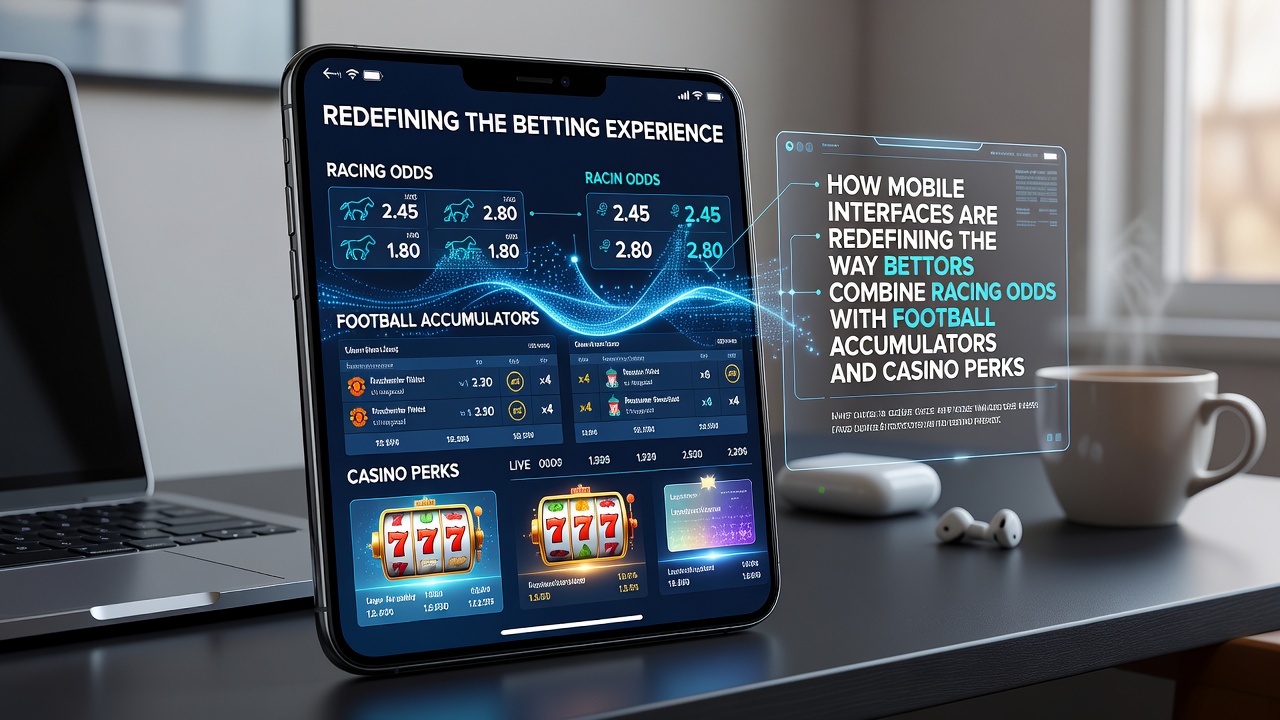
Adaptive Mobile Interfaces Reshape Bettor Strategies for Integrating Racing Markets, Football Accumulators, and Casino Incentives
Operators rolled out updated mobile applications throughout 2026 that let users move between horse racing odds, football accumulator builders, and casino reward sections without switching apps or losing session data. These platforms display live racing prices alongside football match selections on the same screen while tracking accumulated casino loyalty points that convert into bet credits.
Unified Dashboards Drive Cross-Vertical Activity
Developers designed single-view layouts that pull data streams from multiple product lines into one feed, and users select racing each-way options then add premier league goalscorer markets before applying casino bonus multipliers directly to the total stake. Data from the European Gaming and Betting Association shows mobile sessions involving at least two product categories rose 28 percent year-over-year through the first half of 2026.
Interface designers incorporated swipe gestures that expand or collapse live odds panels, while persistent navigation bars keep casino progress meters visible during sports bet construction. Bettors therefore monitor free spin eligibility and racing dividend updates in the same glance without leaving the accumulator ticket screen.
Real-Time Data Integration Across Product Lines
Application programming interfaces now feed fractional racing odds and in-play football statistics into shared calculation engines, so accumulators automatically recalculate when either market shifts. Casino perk balances appear as selectable stake boosters rather than separate vouchers, which reduces steps between claiming a reward and placing a combined wager.

Research released by the American Gaming Association in August 2026 documented similar patterns among North American operators who introduced comparable multi-product interfaces earlier in the year. Those platforms recorded average session durations extending by 14 minutes when users engaged racing, football, and casino elements within one visit.
Personalization Algorithms Shape Individual Experiences
Machine learning models track previous selections across verticals and surface suggested combinations, such as pairing a favorite jockey's next ride with a correlated football team goal prop while highlighting available casino cashback. Users receive these prompts through notification banners that open directly into pre-filled bet slips containing the suggested markets and any applicable perk adjustments.
Operators report that such prompts increase cross-category wagers, yet regulatory filings from state gaming boards in Australia indicate that mandatory spend reminders appear alongside every personalized suggestion to maintain transparency standards.
Security and Payment Features Support Combined Play
Biometric login combined with token-based wallets allows instant movement of funds between racing, football, and casino ledgers inside the same application. Several platforms introduced one-tap deposit flows that apply promotional casino credits to pending accumulators without requiring separate verification steps.
Figures released by the Canadian Gaming Association for the period ending July 2026 recorded a 19 percent rise in multi-vertical mobile transactions following the rollout of unified payment rails. Those systems maintain separate risk profiles for each product line while presenting a consolidated balance view to the account holder.
Conclusion
Mobile interfaces continue to merge racing odds displays, football accumulator tools, and casino perk management into single environments that reduce friction between product categories. Industry reports from multiple jurisdictions document measurable increases in session length and cross-vertical activity where these unified designs operate. As August 2026 data becomes available, further platform iterations are expected to refine the same integration patterns.