Adaptive Platforms Merge Virtual Equine Worlds with Live Soccer Prop Dynamics
Ulrich Simon · May 28, 2026
Adaptive Platforms Merge Virtual Equine Worlds with Live Soccer Prop Dynamics
Developers have engineered app ecosystems that fuse simulated horse racing environments with instantaneous football player performance markets, allowing users to move between these formats without switching platforms or losing session data. These systems rely on unified data pipelines that pull real-time statistics from football matches while running parallel algorithms for virtual race outcomes generated by proprietary simulation engines. According to industry reports from the European Gaming and Betting Association, such integrations have expanded market accessibility across multiple time zones since early platform updates began rolling out.
Core Technical Foundations
Engineers build these ecosystems around modular APIs that synchronize virtual horse simulations with football prop feeds, where each module processes inputs like player injury reports or track conditions in parallel threads. Data synchronization occurs through cloud-based servers that update odds every few seconds during live events, while virtual races advance on fixed intervals calibrated to match typical football match durations. Research from the University of Nevada's gaming technology lab shows that latency reductions below 200 milliseconds enable seamless transitions, which developers achieve by caching simulation parameters locally on user devices before syncing with central databases.
Platforms adjust virtual horse parameters dynamically based on aggregated user behavior data drawn from football prop selections, creating feedback loops that influence race difficulty or payout structures without altering core simulation rules. This approach maintains regulatory compliance in regions where separate licensing covers simulated versus real-event wagering, as operators segment user accounts by jurisdiction-specific rulesets.
Market Integration Patterns
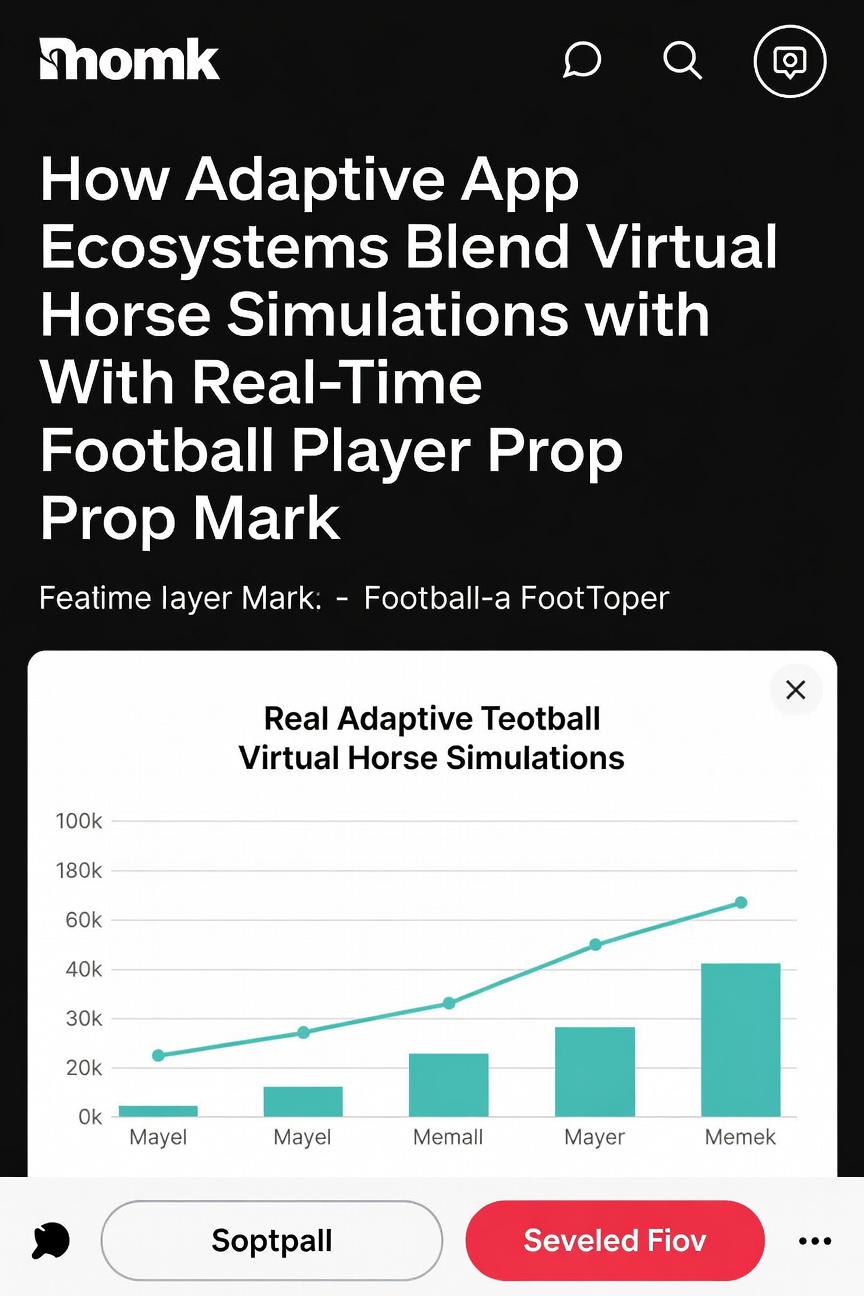
Football player prop markets feed directly into virtual horse ecosystems through shared wallet systems and unified odds boards, letting participants allocate funds across both verticals in single transactions. When a user places a wager on a quarterback's passing yards, the same balance can immediately support a virtual steeplechase entry, with settlement engines handling outcomes from both sources simultaneously. Figures from Australian wagering analytics indicate that such cross-format activity increased average session lengths by 35 percent in markets where these features launched during 2025 testing phases.
Operators schedule virtual race cycles to align with football match breaks or halftime periods, which maximizes engagement during otherwise idle moments. Prop market fluctuations, driven by in-game events like red cards or goal scorers, trigger corresponding adjustments in virtual horse speed ratings or barrier positions through algorithmic mappings that developers refine quarterly. Those who've monitored these systems note that the mappings draw from historical correlation studies between sports volatility and racing payout distributions.
Regulatory and Operational Shifts in 2026
Platform operators prepare for anticipated licensing reviews scheduled across several jurisdictions in May 2026, where authorities examine how integrated simulation and prop systems handle data privacy under updated digital services frameworks. These reviews focus on audit trails that track every transition between virtual races and football props, ensuring operators maintain separate ledgers for each category even within unified interfaces. Government agencies in Canada and parts of the EU have already circulated draft guidelines requiring enhanced transparency reports on simulation fairness metrics, which developers address by publishing algorithm overviews alongside standard compliance filings.
Payment gateways within these ecosystems support instant transfers between formats using tokenized balances, reducing friction that previously forced users to exit apps for external processing. Industry organizations such as the Remote Gambling Association report that transaction volumes in blended environments grew steadily through 2025, supported by partnerships with established financial processors that handle multi-currency settlements across football and racing segments.
User Experience Adaptations
Interface designs prioritize quick toggles between a live football prop dashboard and an active virtual race viewer, with gesture controls that let participants adjust stakes mid-session without menu navigation. Notification systems alert users to prop line movements while a virtual race runs in the background, delivering updates through overlaid banners that preserve immersion in either environment. Observers note that accessibility features, including voice commands for prop selections and race result summaries, have broadened adoption among users managing multiple concurrent interests.
Analytics dashboards compile performance across both verticals, displaying metrics like win rates on football props alongside virtual horse finishing positions in unified reports. These tools draw from anonymized datasets that operators share selectively with academic partners for further study on behavioral patterns in hybrid wagering settings.
Conclusion
Adaptive app ecosystems continue to evolve through incremental refinements that strengthen connections between virtual horse simulations and real-time football player prop markets. Technical architectures, market structures, and regulatory preparations collectively shape how these blended environments operate as of 2026. Data from multiple international sources demonstrates measurable growth in cross-format participation, driven by synchronized processing and user-centered interface decisions that keep activity contained within single platforms.