Algorithmic Customization in Layered Incentive Structures for Multi-Leg Wagers on Mobile Platforms
Quinn Simon · Jun 27, 2026
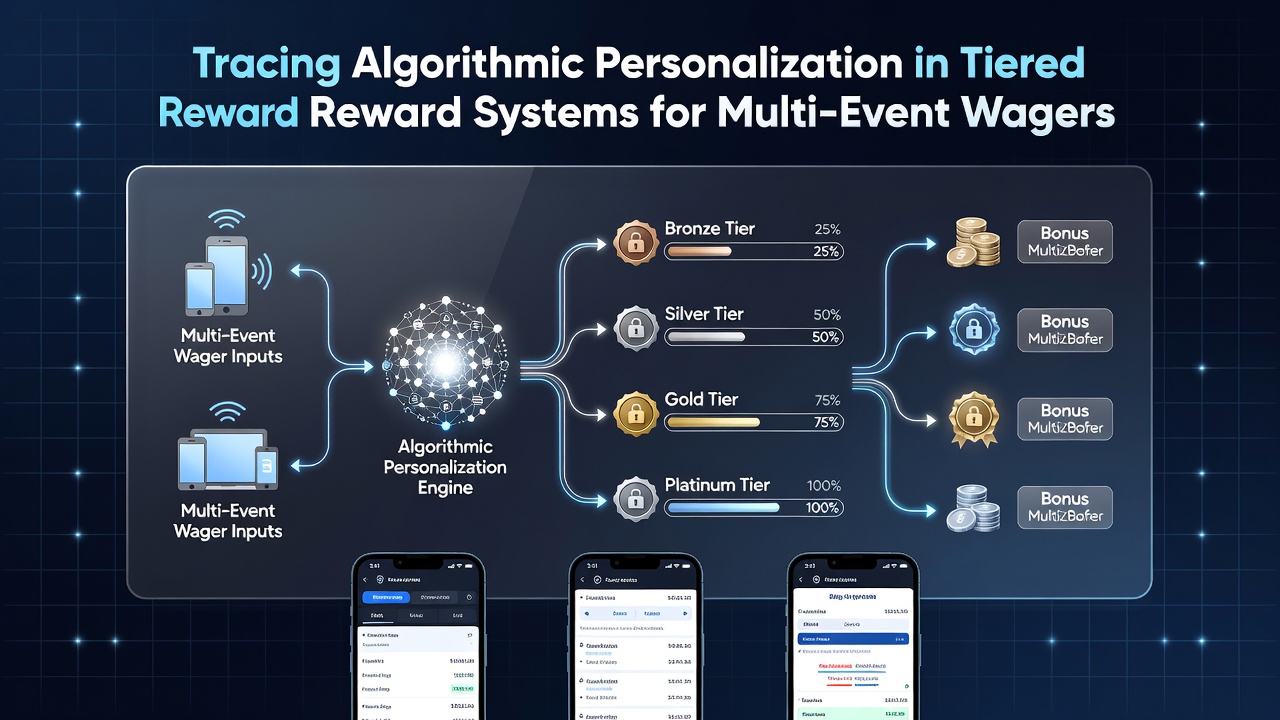
Algorithmic Customization in Layered Incentive Structures for Multi-Leg Wagers on Mobile Platforms
Algorithmic personalization shapes tiered reward systems by analyzing user data patterns across multiple events in a single wager, and mobile interfaces serve as the primary delivery channel for these customized incentives. Data from industry reports indicates that operators adjust bonus structures based on betting frequency, stake sizes, and historical outcomes in combined wagers such as accumulators and parlays. Researchers at academic institutions have documented how these systems segment users into tiers that unlock escalating rewards, including cashback percentages and enhanced odds, all processed through real-time mobile applications.
Core Mechanics of Tiered Reward Systems
Tiered structures operate on progressive levels where participation in multi-event wagers triggers advancement, and algorithms determine eligibility by processing variables like wager volume and diversity of events selected. Observers note that lower tiers often feature basic multipliers on returns from football and horse racing combinations, whereas higher tiers incorporate personalized elements such as risk-adjusted bonuses that reflect individual betting histories. Studies found these systems rely on machine learning models to predict user engagement, which allows operators to allocate rewards without manual intervention across global markets.
Evidence suggests that multi-leg wagers create complex data points because each leg contributes distinct variables, including odds fluctuations and event types, that algorithms aggregate to refine tier assignments. In June 2026 regulatory updates from bodies like the Malta Gaming Authority highlighted the need for transparency in how these calculations occur on mobile devices, ensuring users receive clear notifications about tier progression.
Role of Algorithms in Delivering Personalization
Algorithms track behavioral signals from mobile sessions to customize rewards, and they integrate data from past multi-event wagers to forecast future preferences. This process involves clustering users based on patterns such as preference for high-odds selections or consistent stake amounts across leagues and races. Those who've examined platform architectures report that real-time processing occurs via edge computing on smartphones, which reduces latency when applying tier-specific adjustments during live events.
Integration with Mobile Interfaces
Mobile platforms facilitate seamless updates to reward tiers through push notifications and in-app dashboards that display personalized progress metrics. Data shows these interfaces adapt layouts dynamically, prioritizing elements like accumulated rewards from multi-leg bets while concealing less relevant promotions. Experts have observed that compatibility with various operating systems ensures consistent algorithmic outputs, although variations in device processing power can influence how quickly personalization takes effect.
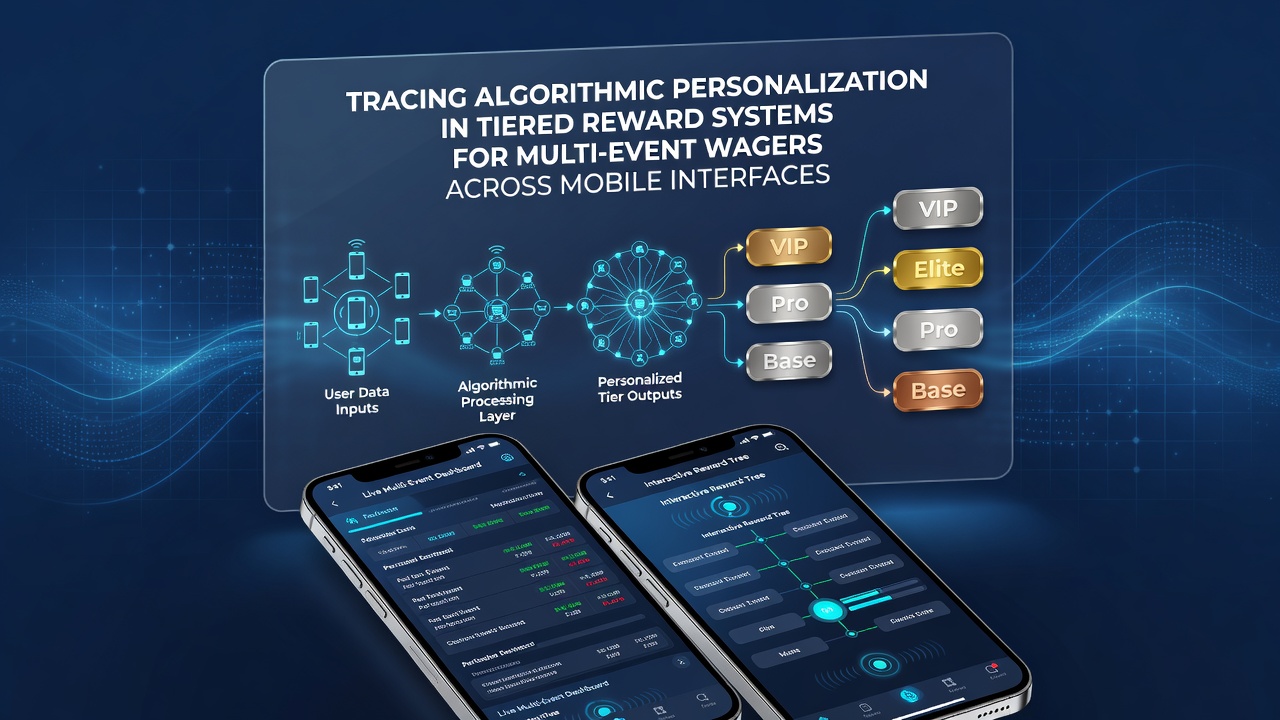
Applications in Multi-Event Wager Scenarios
Multi-event wagers benefit from algorithmic tailoring because systems can identify correlations between event selections and adjust rewards accordingly, such as offering boosted returns on mixed football and racing accumulators for users who frequently combine these categories. Research indicates that tier advancement accelerates when algorithms detect diversification in wager types, leading to higher cashback rates or exclusive access to enhanced lines. Figures from market analyses reveal that mobile users in regions outside the UK, including those monitored by the New Jersey Division of Gaming Enforcement, experience these customizations at scale during peak seasons.
Take one platform that implemented predictive models in early 2026, where algorithms flagged users approaching tier thresholds and delivered targeted incentives for completing specific multi-leg combinations. This approach maintains engagement without overextending reward budgets, as models balance personalization against overall system sustainability.
Regulatory and Data Considerations
Authorities in various jurisdictions require operators to document algorithmic decision-making processes, and reports from sources like the Australian Gambling Research Centre emphasize audit trails for tier assignments linked to mobile wager data. Compliance involves anonymizing personal information while still enabling precise customization, which creates operational challenges for developers. Those monitoring industry trends note that June 2026 saw increased focus on cross-border data flows, prompting refinements in how algorithms handle multi-event wager histories across devices.
Academic papers have explored potential biases in these systems, where certain user demographics receive disproportionate tier placements based on initial wager patterns. Mitigation strategies include regular model retraining with diverse datasets to ensure equitable reward distribution.
Conclusion
Algorithmic personalization continues to define tiered reward systems for multi-event wagers on mobile interfaces through ongoing data integration and adaptive modeling. Reports from regulatory bodies and research organizations document steady evolution in these frameworks, particularly as operators respond to updated standards in multiple regions. Continued examination of these processes supports informed participation in mobile wagering environments.