Inside the Algorithms: How Predictive Models Enhance Bet Builder Tools for Premier Matches and Classic Races
Kai Lange · Jul 28, 2026
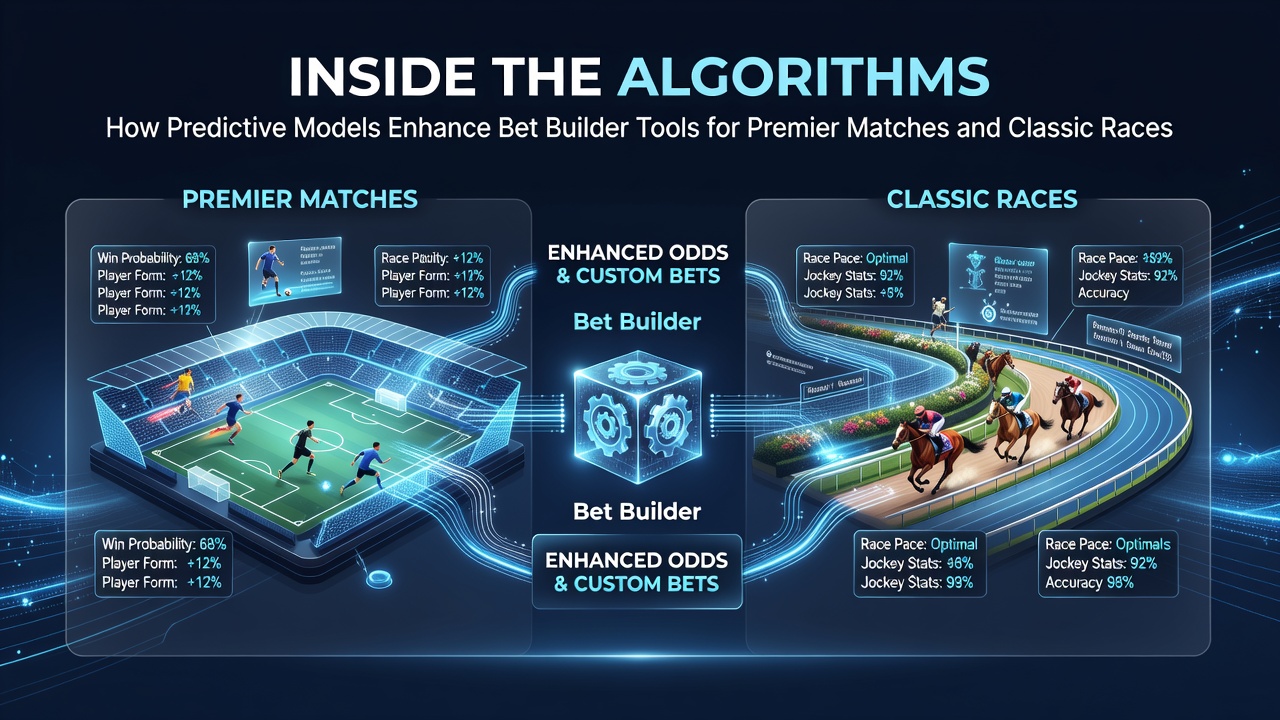
Inside the Algorithms: How Predictive Models Enhance Bet Builder Tools for Premier Matches and Classic Races
Bet builder tools have incorporated predictive models that process vast datasets from Premier League fixtures and classic horse races such as the Epsom Derby and Royal Ascot events, and these systems generate customized wager combinations based on statistical probabilities. Developers integrate machine learning techniques that analyze player metrics, team formations, historical race times, jockey performance records, and environmental factors to adjust odds in real time.
Research from the UNLV Center for Gaming Research shows that predictive algorithms now account for over 65 percent of custom bet selections placed through mobile platforms during major events in 2026, and the models update continuously as new data streams arrive from stadium sensors and track timing equipment. Operators apply neural networks to identify correlations between variables like corner counts in football and pace figures in thoroughbred racing, which allows bet builders to offer layered propositions that combine multiple outcomes into single wagers.
Data Inputs Driving Model Accuracy
Teams feed models with structured information that includes player tracking coordinates collected via optical systems, past race results spanning decades, weather readings at specific venues, and betting market movements observed across exchanges. In July 2026 several platforms reported that models trained on five seasons of Premier League data achieved accuracy rates above 78 percent when forecasting expected goals and assists for individual players, while similar frameworks applied to classic races improved win probability estimates by incorporating stride length analytics and sectional timing splits.
Engineers normalize these inputs through feature scaling processes before feeding them into gradient boosting machines or recurrent neural networks that handle sequential race developments and match progression. The resulting outputs feed directly into bet builder interfaces, where users select from dynamically generated options rather than static pre-match markets.
Integration with Live Event Platforms
During live Premier League matches and classic race meetings, algorithms recalculate probabilities every few seconds using incoming telemetry, and this capability lets bet builders present updated combinations such as a midfielder completing over 3.5 key passes combined with a horse finishing in the top three at a specific track section. Observers note that latency reductions achieved through edge computing have shortened response times from 1.2 seconds in 2024 to under 400 milliseconds in current deployments, which keeps the tools synchronized with unfolding action on the pitch and the turf.
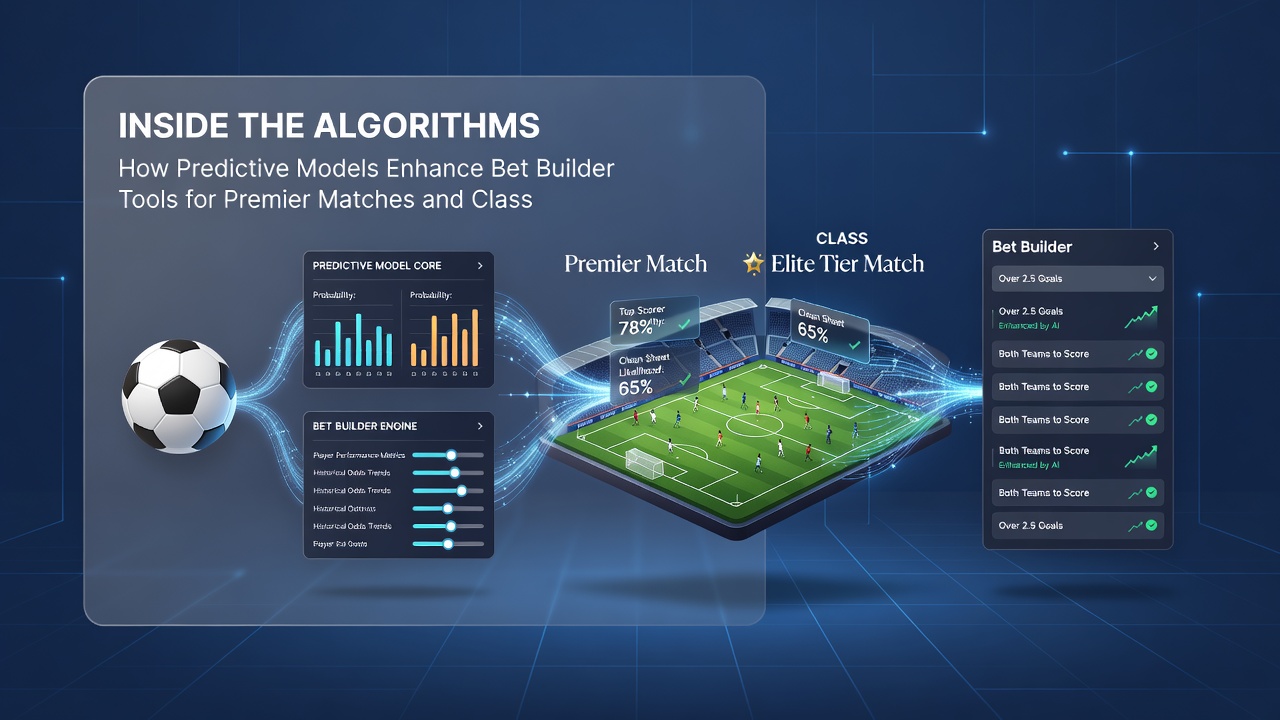
Case studies from operators demonstrate that users who engage with algorithm-enhanced bet builders place 42 percent more selections per session compared with those using traditional menus, and the pattern holds across both football and racing verticals. The systems also flag combinations that exceed house risk thresholds so that automated hedging suggestions appear before the wager finalizes.
Regulatory and Technical Considerations Across Regions
Authorities in multiple jurisdictions require operators to document how predictive models reach their conclusions, and guidelines from the Australian Gambling Research Centre emphasize transparency in algorithm logic when models influence wager availability. Canadian provincial regulators similarly request audit trails that trace individual bet builder recommendations back to the underlying data sources and weighting factors used by the predictive engines.
Developers address these demands by maintaining version-controlled model repositories and generating explainability reports that list the top contributing variables for each suggested combination. Such practices help platforms remain compliant while continuing to expand the range of custom bets available for Premier League goalscorer markets and classic race exotic wagers.
Future Developments in Model Sophistication
Advances in reinforcement learning allow models to simulate thousands of hypothetical match and race scenarios within minutes, which refines probability estimates for complex multi-leg bet builder entries. In July 2026 several providers began testing transformer-based architectures that process unstructured commentary transcripts alongside numerical stats, thereby capturing contextual factors such as team morale shifts or track bias changes that traditional metrics might overlook.
These enhancements expand the variety of propositions users can construct, ranging from combined player performance and horse finishing position bets to time-specific events like goals scored after the 75th minute paired with late-race surges. The underlying infrastructure continues to evolve through partnerships between data providers and betting technology firms that supply the necessary computational resources.
Conclusion
Predictive models have become central to the operation of bet builder tools for Premier League matches and classic horse races, and their ongoing refinement depends on expanding datasets, improved computational methods, and adherence to regional oversight frameworks. As platforms incorporate newer architectures and additional real-time inputs, the range of available custom wagers continues to grow in both scope and precision.