Integrated Platforms Merging Virtual Casino Tables with Live Arena Betting Markets
Quinn Simon · Jul 25, 2026

Integrated Platforms Merging Virtual Casino Tables with Live Arena Betting Markets
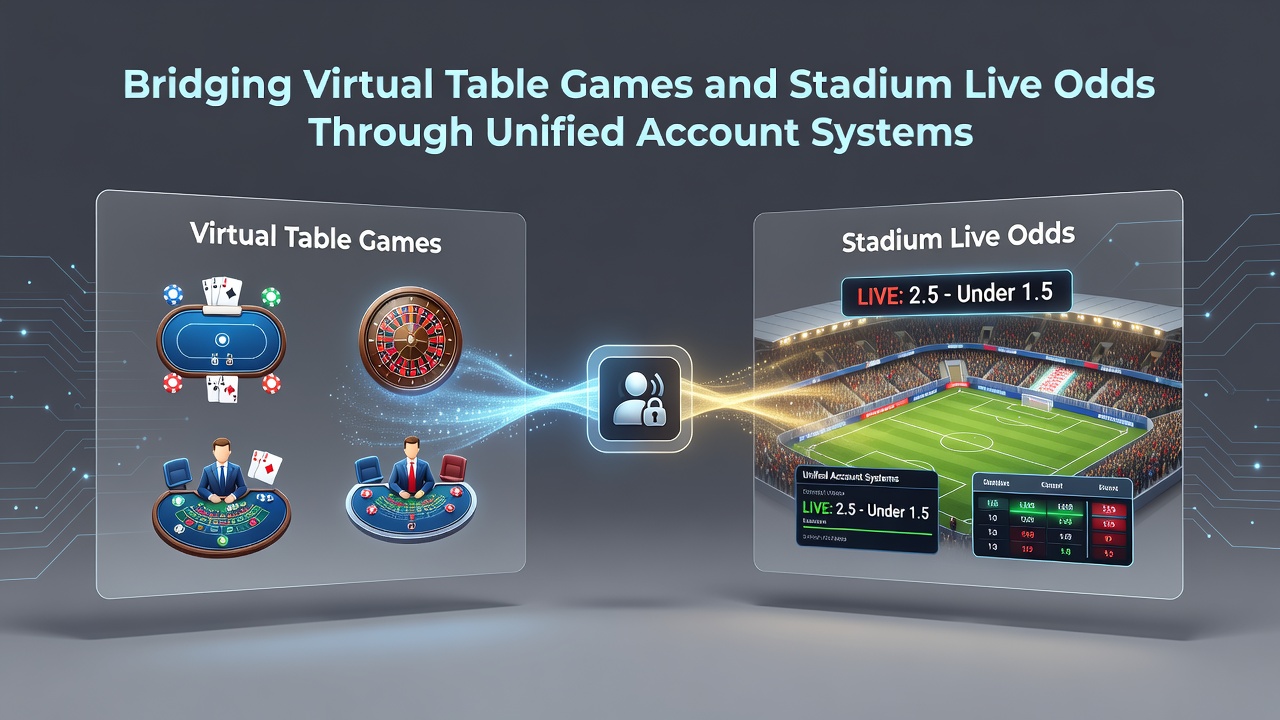
Unified account systems now allow players to move between virtual table games and stadium live odds without separate logins or fund transfers, and operators achieve this through shared wallets that sync balances in real time while maintaining compliance across jurisdictions. Data from industry reports indicate that these platforms reduce transaction friction and enable instant adjustments between casino sessions and sports wagers placed inside venues.
Core Technology Behind Account Unification
Single sign-on protocols combined with centralized ledgers form the foundation, where a player deposits once and accesses both digital blackjack tables and in-stadium football odds through the same profile. Systems track activity across environments so that winnings from an online roulette spin appear immediately in the same balance used for live baseball prop bets at the arena. Cloud-based APIs handle the connections, and operators report that latency stays below two seconds in most deployments completed before July 2026.
Regulatory Landscape Across Regions
Authorities in Nevada require operators to maintain separate player funds for casino and sports products even when accounts appear unified to the user, while the European Gaming and Betting Association has published guidelines that encourage interoperability standards without mandating full separation. Canadian provincial regulators in Ontario have tested similar frameworks that permit cross-product play under one license, and Australian state commissions have begun reviewing proposals that would extend the same model to racetrack venues. These differing rules shape how quickly platforms expand, yet the underlying account architecture remains consistent worldwide.
User Experience in Practice
Observers note that fans at major stadiums can now place a live odds bet on the next play, then switch to a virtual poker table during halftime, all without leaving their mobile app or re-verifying identity. One documented rollout at a European football ground showed that average session length increased when users held a single balance, because the switch between environments required no additional steps. Research from academic papers on digital gambling interfaces suggests that reduced friction correlates with higher engagement across both product categories, although total spend patterns vary by demographic.
Security and Compliance Measures
Encryption standards protect data flows between virtual tables and physical venue terminals, while geofencing ensures stadium bets activate only inside approved zones. Multi-factor authentication applies across the entire account, and operators conduct regular audits that cover both casino game fairness and sports odds accuracy. Figures from the American Gaming Association reveal that platforms using unified systems experienced fewer account-related disputes in the first half of 2026 compared with fragmented alternatives.
Future Developments Expected After July 2026
Industry organizations continue to explore deeper integrations such as loyalty points earned on virtual tables that convert directly to stadium concessions or exclusive live odds boosts. Hardware upgrades at venues, including faster 5G nodes, support these expansions without disrupting existing account structures. Regulators in multiple regions have scheduled further consultations to refine rules around shared ledgers, and early results from pilot programs show stable revenue streams when operators apply consistent responsible gaming tools across both casino and sports sections of the same account.
Conclusion
Unified account systems continue to reshape how operators deliver virtual table games alongside stadium live odds, with technology, regulation, and user behavior all converging on shared infrastructure. As deployments mature after July 2026, the focus remains on maintaining security while expanding access across different regulatory environments and venue types.