Layered Approaches to Merging Association Football and Equestrian Data in Smartphone-Based Multi-Leg Wagering
Ulrich Simon · Aug 22, 2026
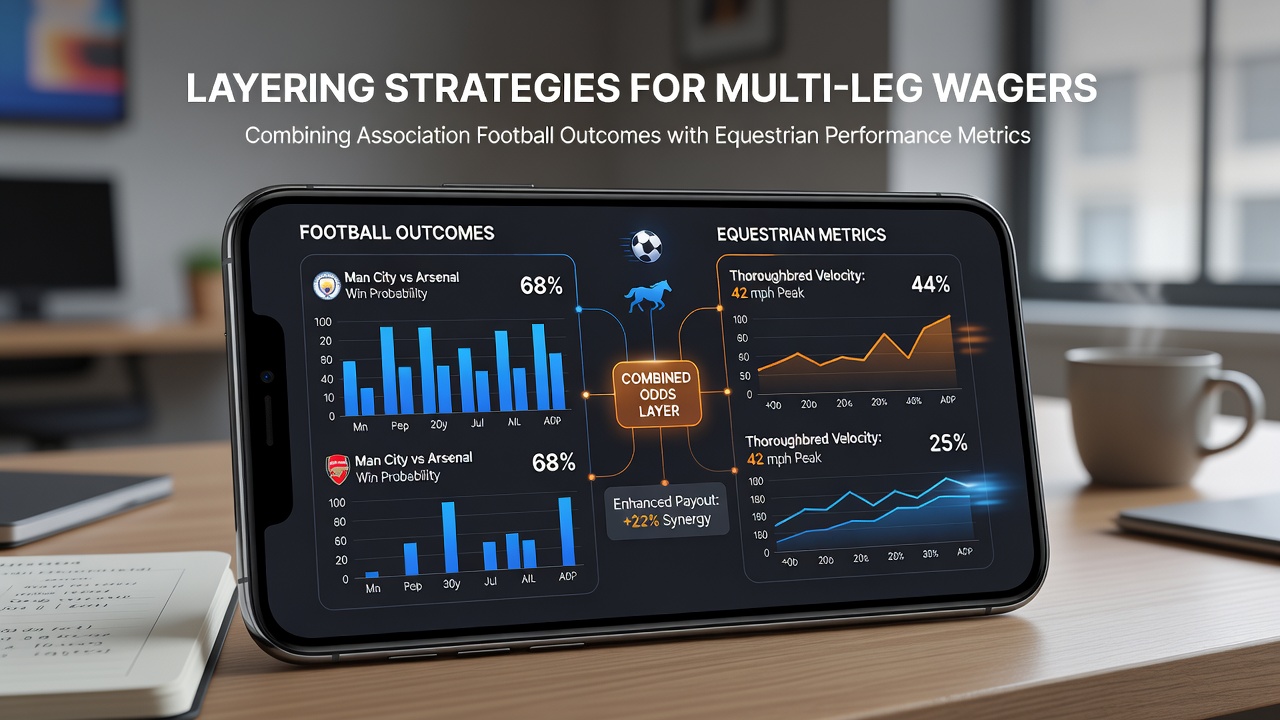
Layered Approaches to Merging Association Football and Equestrian Data in Smartphone-Based Multi-Leg Wagering
Operators have developed interfaces that allow users to construct multi-leg wagers by selecting football match results alongside equestrian performance indicators such as finishing positions, track conditions, and jockey statistics, all within a single mobile session. These systems present data panels that update in real time, enabling combinations where a correct score prediction in one league pairs with a horse's speed rating from an afternoon race. August 2026 saw several platforms introduce enhanced filtering tools that sort available legs by statistical correlation between the two sports.
Core Elements of Layer Construction
Users begin by choosing primary legs from association football fixtures, including win-draw-loss outcomes or total goals, then add secondary legs drawn from equestrian events such as place finishes or margin metrics. The layering process requires the interface to calculate combined odds while displaying individual probability estimates side by side. Data from industry reports indicates that such combined selections have increased in volume as mobile applications integrate live feeds from both Premier League matches and major race meetings.
Performance metrics for horses typically include recent form figures, distance suitability, and going preferences, which the software matches against football variables like possession averages and set-piece conversion rates. Observers note that successful layering often depends on identifying statistical independence between the chosen outcomes rather than assumed correlations. One study released in 2026 by the Australian Institute of Family Studies examined user patterns and found that bettors who reviewed both datasets before confirming selections completed more legs on average than those who selected quickly.
Interface Features Supporting Combined Selections
Smartphone applications display toggle switches that allow switching between football statistics dashboards and equestrian data overlays without leaving the bet slip. Color-coded indicators highlight when a selected football outcome shows low historical alignment with a particular horse's profile, prompting users to adjust layers accordingly. Push notifications deliver updates on both sports simultaneously, such as a late team change in a football match or a jockey substitution at the track.
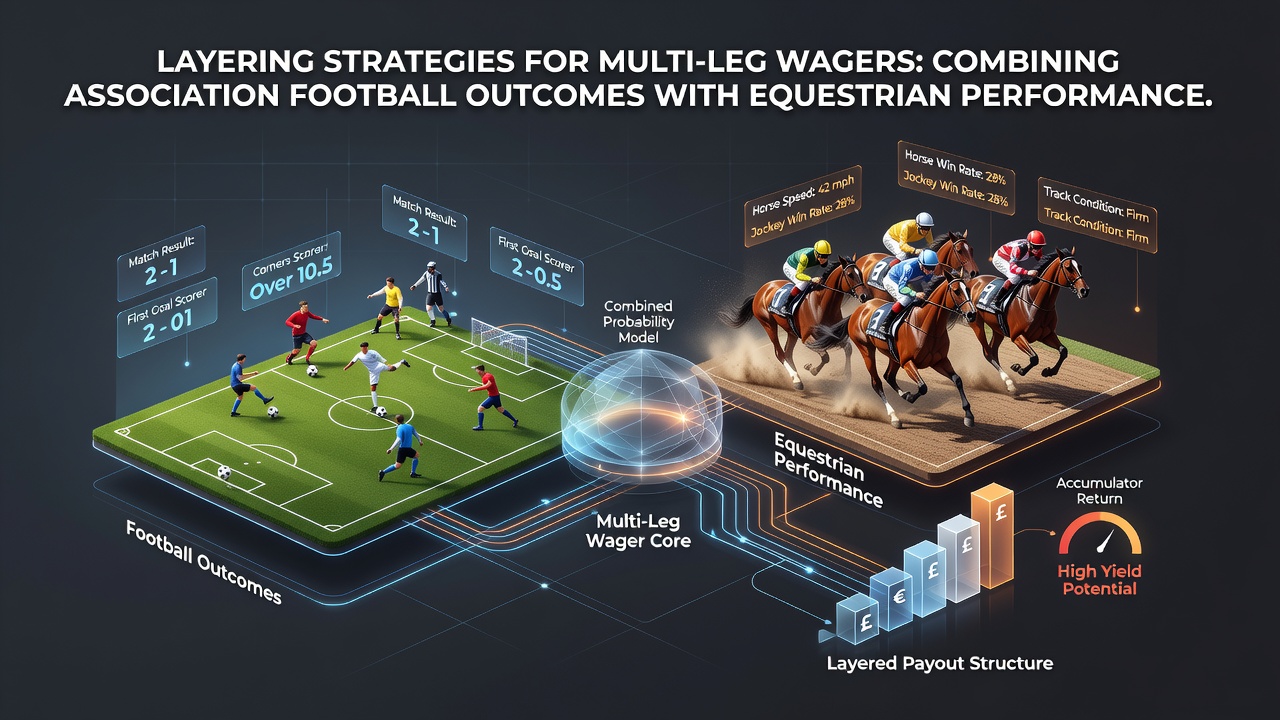
Payment integration remains separate from wager construction, yet several platforms link deposit methods directly to the bet builder so users can fund layered selections without navigating away. According to figures released by the Nevada Gaming Control Board, mobile multi-sport wagers accounted for a rising share of total handle during the first half of 2026, driven partly by improved data presentation on smaller screens. The board's quarterly summary highlighted that interfaces capable of displaying both sports' metrics in one view recorded higher session durations compared with single-sport layouts.
Practical Examples of Metric Integration
Consider a selection that pairs a Premier League team's over-2.5 goals outcome with a thoroughbred's top-three finish at a UK track. The application pulls expected goals data for the football side and speed ratings for the horse, then presents a combined payout figure updated as odds shift. Users can insert additional legs, such as a halftime result or a distance-specific placing, while the interface recalculates risk exposure across the full structure.
Research indicates that bettors frequently review historical cross-sport performance tables before finalizing layers, especially when events occur on the same day. August 2026 updates to several major applications added heat-map visualizations that overlay football pitch zones with horse racing pace profiles, giving visual context for how certain metrics might influence combined probabilities. These tools draw from aggregated public datasets rather than proprietary models, maintaining transparency in how each layer contributes to the overall return.
Regulatory Context and Data Handling
Platforms operating these features must comply with varying regional rules on data presentation and responsible gambling prompts. Some jurisdictions require clear separation between football and equestrian sections even within combined bet builders. Industry associations have published guidelines recommending that operators display individual leg probabilities alongside combined odds to assist users in evaluating each component independently.
External audits of mobile systems in 2026 confirmed that layering tools perform calculations locally on the device when possible, reducing latency during live events. This approach supports the addition of last-minute legs from either sport without requiring full page reloads. Data handling standards emphasize user consent for storing past selections that mix the two categories, with options to clear layered histories directly from the app menu.
Conclusion
Smartphone interfaces now routinely support the construction of multi-leg wagers that integrate association football outcomes with equestrian performance metrics through structured layering processes. These systems rely on real-time data feeds, statistical displays, and calculation engines that update combined odds as selections accumulate. Continued development in August 2026 focused on interface refinements that present both sports' information clearly, allowing users to review each layer's contribution before confirmation. Regulatory bodies and research organizations continue to monitor usage patterns across regions to inform future presentation standards.