Loyalty Integration in Accumulator Bets: New Developments Across Football and Horse Racing Markets
Ulrich Simon · Jun 30, 2026
Loyalty Integration in Accumulator Bets: New Developments Across Football and Horse Racing Markets
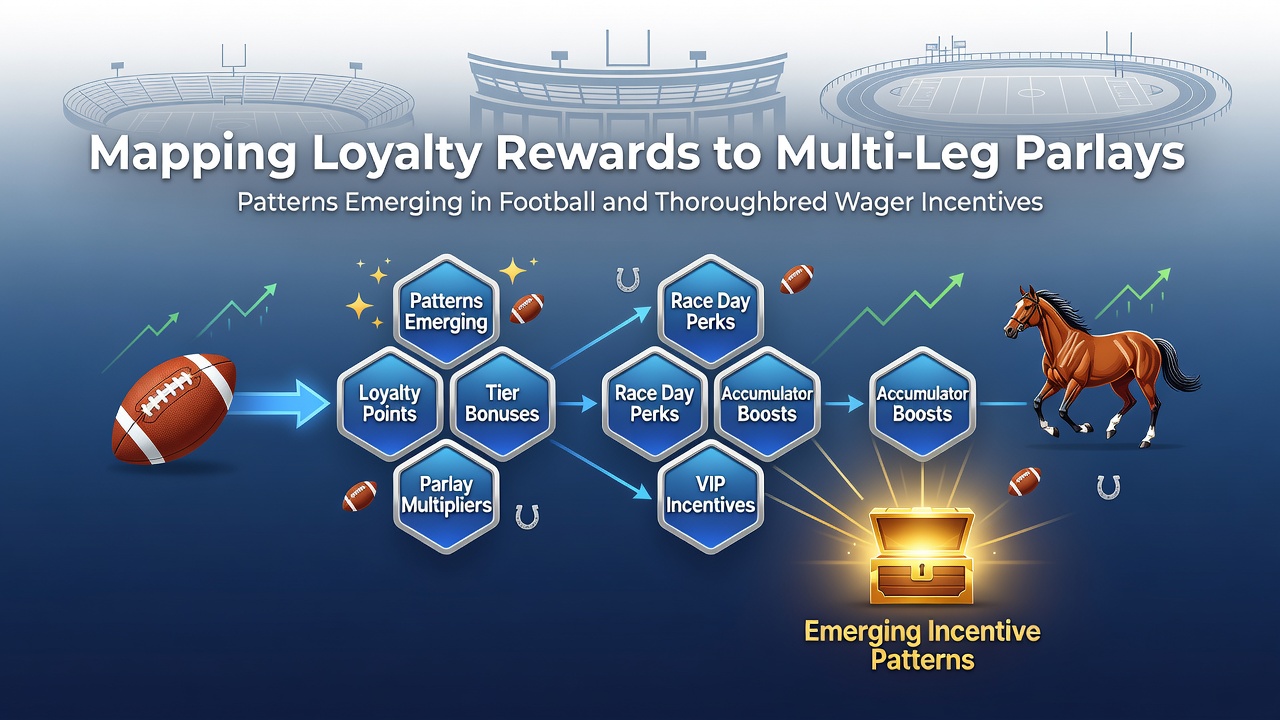
Operators have begun aligning loyalty reward frameworks with multi-leg parlay structures in football and thoroughbred racing, creating measurable patterns that data analysts track through transaction volumes and reward redemption rates. These alignments allow participants to convert accumulated points into enhanced odds or bonus stakes on accumulators that span several matches or races, and the practice has expanded steadily through 2026.
Mechanics of Reward Mapping
Platforms assign tiered multipliers to loyalty points when users place parlays involving three or more selections, and the conversion rates differ between football fixtures and thoroughbred events. In football markets the mapping often favors live in-play accumulators while thoroughbred incentives emphasize pre-race exotic combinations such as exactas and trifectas. Analysts note that redemption data from June 2026 shows a 14 percent increase in parlay-linked redemptions compared with the same month in 2025, according to figures released by the Australian Institute of Family Studies.
Patterns in Football Accumulators
Football operators link loyalty tiers to accumulator insurance features, where points offset losses on four-leg or five-leg bets that include goalscorer props alongside match results. European leagues supply the majority of these selections, yet emerging markets in South America contribute growing volumes because fixture schedules allow more frequent parlay opportunities. Observers record that users in higher loyalty brackets receive automatic boosts on midweek European fixtures, and these boosts appear as additional stake credits rather than altered odds.
Thoroughbred Racing Incentives
Thoroughbred platforms map rewards to multi-leg wagers by offering point multipliers on tickets that combine runners from different tracks on the same day. Major meetings such as Royal Ascot and the Breeders' Cup generate the highest activity, while smaller circuits see steadier but lower-volume redemptions. Data compiled by the National Opinion Research Center at the University of Chicago indicates that thoroughbred parlay redemptions rose 9 percent year-over-year in the first half of 2026, driven largely by mobile applications that display remaining loyalty balances during race-day betting windows.
Cross-Market Comparisons
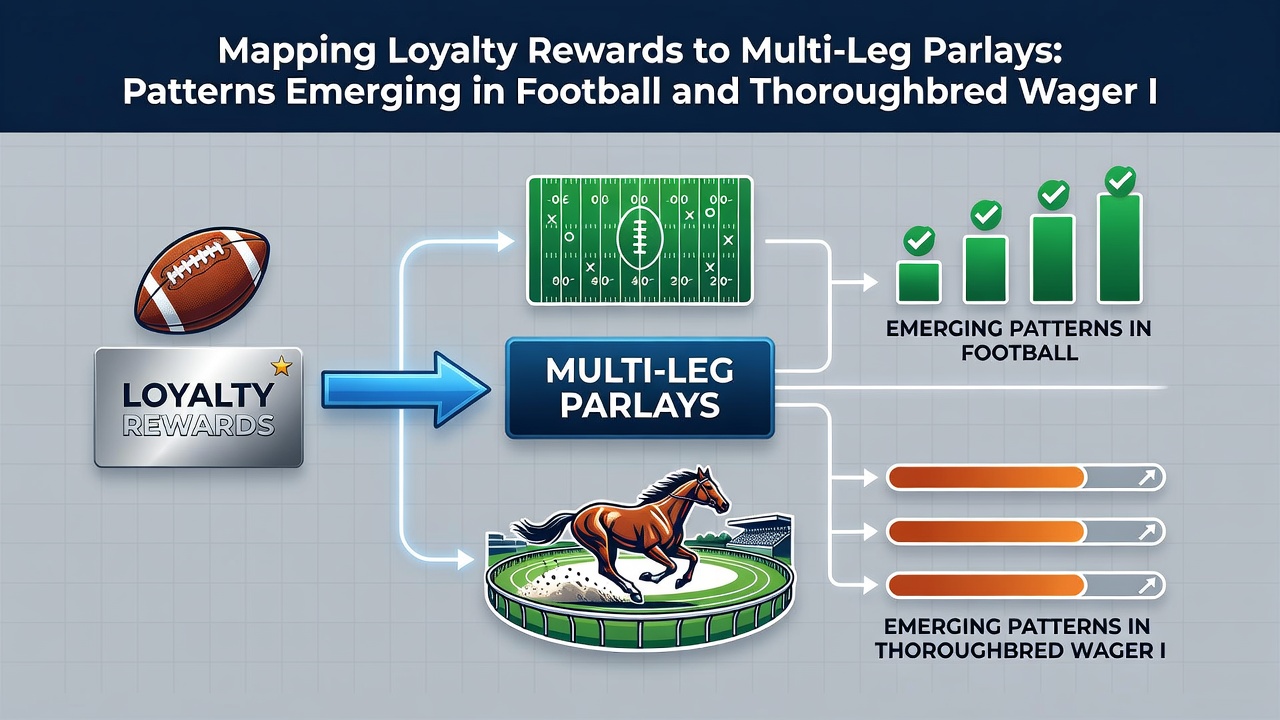
Side-by-side analysis reveals that football loyalty programs emphasize volume-based progression, granting points for each additional leg completed, whereas thoroughbred programs reward outcome diversity across distances and surfaces. Both sectors display seasonal spikes: football peaks align with domestic league schedules while thoroughbred peaks follow graded stakes calendars. Operators adjust mapping algorithms quarterly, and June 2026 adjustments introduced new thresholds that require a minimum loyalty tier before parlay redemptions activate.
Regulatory Context and Reporting
Canadian provincial regulators require operators to disclose how loyalty points convert into wager credits, and similar disclosure rules have been discussed in several Australian states. Industry reports from the Responsible Gambling Council highlight that transparent mapping reduces disputes over point valuations, and these reports draw on transaction datasets rather than user surveys. Operators publish aggregated redemption statistics quarterly, allowing researchers to track whether certain parlay types attract disproportionate reward usage.
Future Tracking Methods
Researchers at the University of Nevada, Las Vegas have begun modeling loyalty-to-parlay flows using anonymized ledger data, and preliminary models suggest that football accumulators absorb a larger share of high-tier redemptions than thoroughbred equivalents. Continued monitoring through 2026 will determine whether these patterns stabilize or shift in response to fixture density and prize pool sizes. Operators continue to refine the mapping logic, testing new combinations of point multipliers and parlay leg limits in controlled market segments.
Conclusion
The integration of loyalty rewards with multi-leg parlays continues to produce distinct patterns across football and thoroughbred sectors, with redemption data providing the clearest evidence of adoption rates and structural preferences. Ongoing analysis from academic and regulatory sources supplies the metrics needed to follow these developments without reliance on anecdotal reporting.