Loyalty Tiers Reshape Rewards for Multi-Leg Football and Equine Bets on Adaptive Mobile Platforms
Kai Lange · Aug 18, 2026
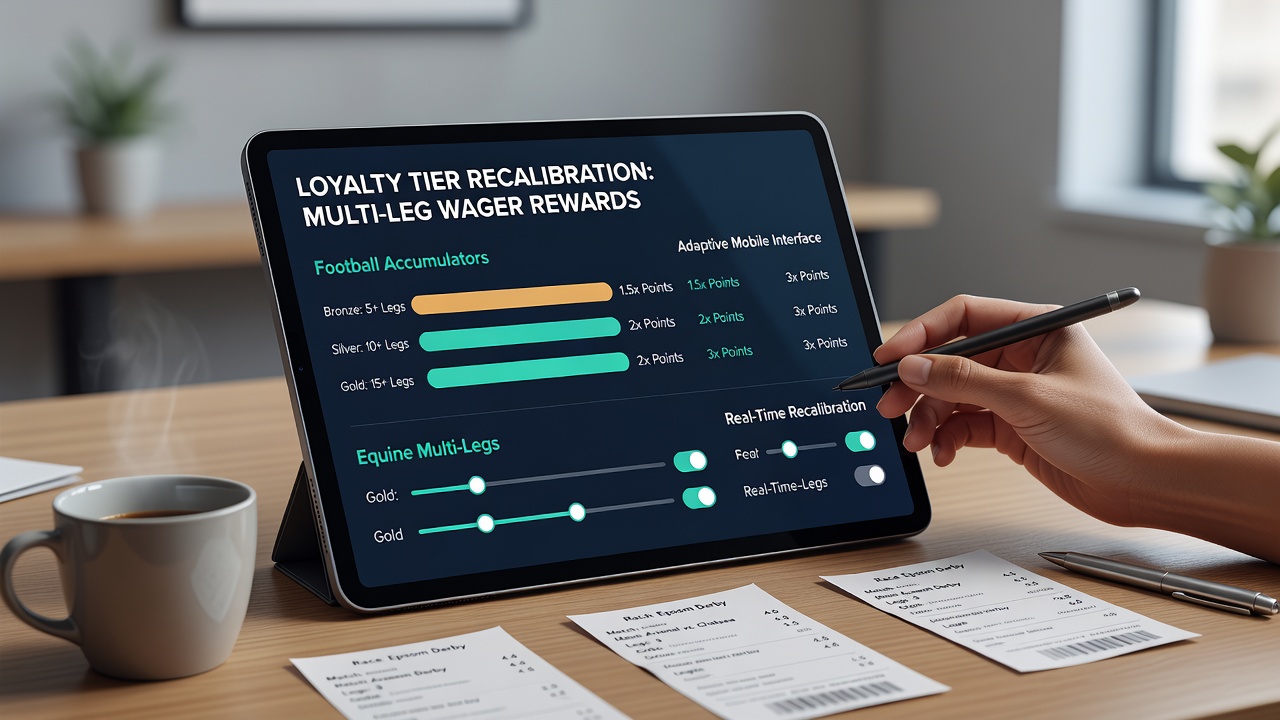
Loyalty Tiers Reshape Rewards for Multi-Leg Football and Equine Bets on Adaptive Mobile Platforms
Operators have adjusted loyalty tier systems to handle the specific demands of multi-leg wagers in football and equine events, and these changes appear most clearly on adaptive mobile interfaces that scale content and reward visibility based on device type and user behavior. Data from industry reports shows tier progression now ties directly to wager complexity, with higher levels unlocking scaled multipliers for accumulators spanning several matches or race legs rather than flat percentage boosts applied across all bet types.
Adaptive interfaces detect screen size, connection speed, and interaction patterns to reorder how reward dashboards display tier benefits, which means users placing football doubles or horse racing patents see customized progress trackers and bonus allocations without manual navigation through standard menus. Research from the American Gaming Association indicates that operators implementing these recalibrations observed measurable shifts in retention rates among users who favor multi-leg structures over single-event bets.
Tier Mechanics and Multi-Leg Adjustments
Standard loyalty models once applied uniform point accrual rates regardless of bet structure, yet current systems differentiate accrual based on leg count and sport category, so a four-leg football accumulator earns tier points at a higher rate than equivalent single-match stakes while equine exotics receive separate weighting to reflect payout volatility. According to figures from the Australian Communications and Media Authority, platforms using these differentiated models report increased average wager volumes per active account during peak racing and football seasons.
Operators recalibrate reward structures by introducing leg-specific multipliers that activate only after tier thresholds are met, which allows mid-tier users to receive partial cashback on multi-leg losses while premium tiers gain access to boosted odds pools reserved for complex combinations. The interfaces adjust these displays dynamically, presenting football accumulator insurance options alongside equine each-way enhancements within the same view when users switch between sports categories.
Mobile Interface Adaptations
Adaptive mobile platforms employ responsive design frameworks that reorganize loyalty information based on real-time user data, so portrait mode on smaller screens prioritizes tier progress bars and simplified reward summaries while landscape orientation expands to show detailed breakdowns of how multi-leg bets contribute to upcoming tier advancements. Observers note that these adjustments reduce friction for users managing several open wagers across football and horse racing simultaneously.
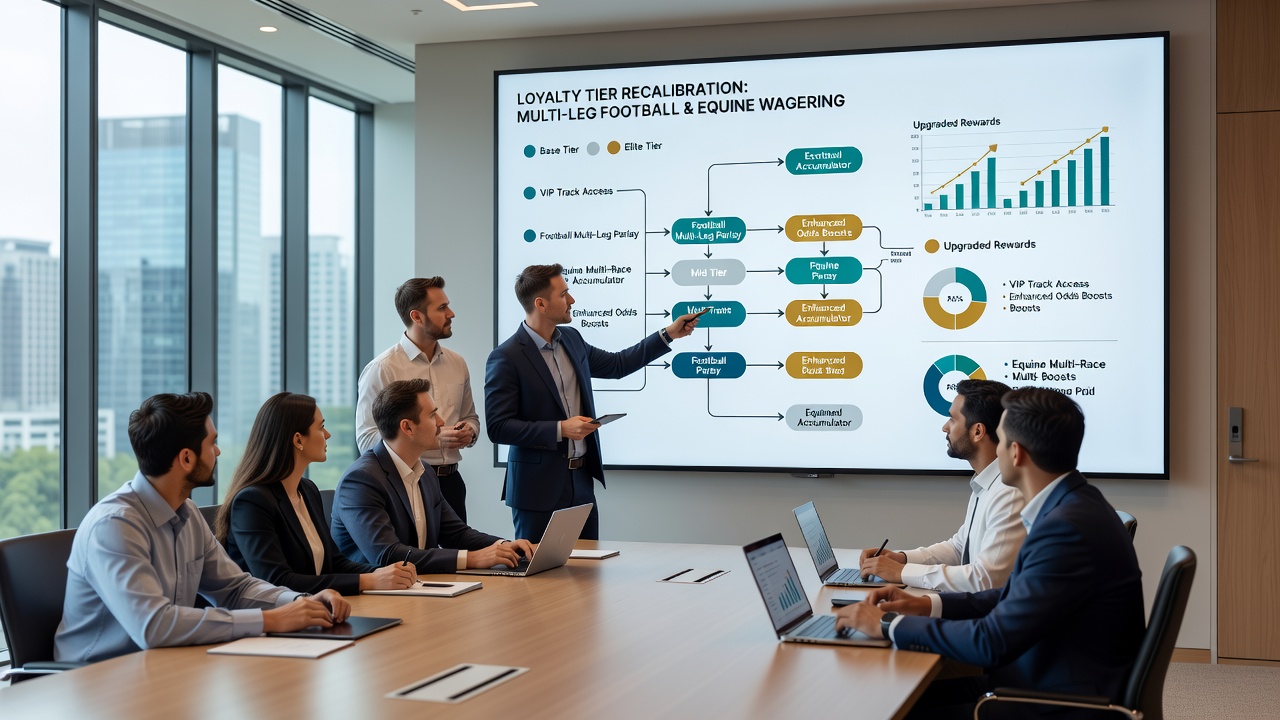
August 2026 updates from several major operators introduced API integrations that sync loyalty data across devices, allowing seamless continuation of tier progress when users transition from desktop analysis of upcoming fixtures to mobile placement of combined football and equine wagers. Industry organizations such as the European Gaming and Betting Association have documented how these technical changes support consistent reward visibility without requiring separate account management steps.
Impact on User Engagement Patterns
Studies from academic sources including reports published by the University of Nevada, Reno Gaming Research Center reveal that tier recalibrations correlate with extended session durations among users who place multi-leg bets, as the interfaces surface personalized reward projections that update live during events. Football accumulator builders now embed loyalty point estimators directly into bet slip interfaces, whereas equine wager modules display equivalent projections for exotic combinations once a user reaches specified tier levels.
Those who've examined platform analytics find that adaptive layouts help surface tier benefits at decision points, such as when a user considers adding another leg to an existing football or racing bet, and this timing encourages continued engagement rather than session termination. External data sources confirm these patterns hold across regions where mobile betting accounts for the majority of multi-leg activity.
Conclusion
Loyalty tier systems continue to evolve their reward structures specifically for multi-leg football and equine wagers as adaptive mobile interfaces refine how those benefits reach users in real time. The integration of differentiated point systems, dynamic displays, and cross-device synchronization reflects measured responses to usage data rather than uniform approaches applied across all bet formats.