Odds on the Fly: Unpacking Live In-Play Betting for Horse Racing Enthusiasts
Rafael Keller · Mar 22, 2026

Odds on the Fly: Unpacking Live In-Play Betting for Horse Racing Enthusiasts
The Rise of Live In-Play Betting in Horse Racing
Horse racing enthusiasts have long relied on pre-race odds to place wagers, but live in-play betting flips that script entirely; now punters can jump in as the horses thunder down the track, with odds shifting in real time based on race developments. Data from industry trackers shows this format exploding in popularity, especially since mobile apps made it seamless to bet from the stands or sofa. Turns out, in-play wagers now account for over 40% of total betting volume at major tracks worldwide, according to figures released by the Racing Australia regulatory body, which monitors wagering trends across Australasian circuits.
Observers note how this evolution ties directly to streaming tech advancements; high-definition feeds from tracks like Ascot or Randwick beam every furlong straight to phones, letting bettors react to a leader fading or an outsider surging ahead. And while traditional fixed-odds betting locks in choices before the gates open, in-play offers dynamic markets like next-to-lead or race winner that adjust by the second, creating a pulse-pounding layer atop the sport's inherent drama.
How Live In-Play Odds Work During a Race
Picture the starting stalls flying open; bookmakers' algorithms kick into gear, crunching live data from GPS trackers on jockeys, sectional times, and even weather shifts to recalibrate odds instantly. Experts who've dissected this process explain that fractional odds might plummet from 5/1 to 2/1 for a frontrunner holding a two-length lead at the halfway mark, while laggards balloon to 20/1 if they're struggling in the pack. What's interesting is the sheer speed—odds refresh every few strides, sometimes 20-30 times per race, as revealed in tech breakdowns from betting platform analyses.
But here's the thing: not all races suit in-play equally; flat sprints under a mile leave little room for swings since positions solidify fast, whereas stamina tests like the Melbourne Cup stretchers allow comebacks that fuel massive fluctuations. Researchers at gaming labs have found these patterns consistent across hemispheres, with European stays over hurdles showing the wildest volatility because jumps introduce unpredictability, turning a steady 3/1 shot into a 10/1 longshot after a stumble.
Platforms handle this frenzy through cash-out features too; punters can lock profits early if their horse pulls clear or cut losses before a certain fade, a tool that's boosted retention rates by 25%, per operator reports. So even as the field barrels toward the wire, bettors hold the reins on their stakes, adapting mid-gallop.
Key Strategies Enthusiasts Use for In-Play Success
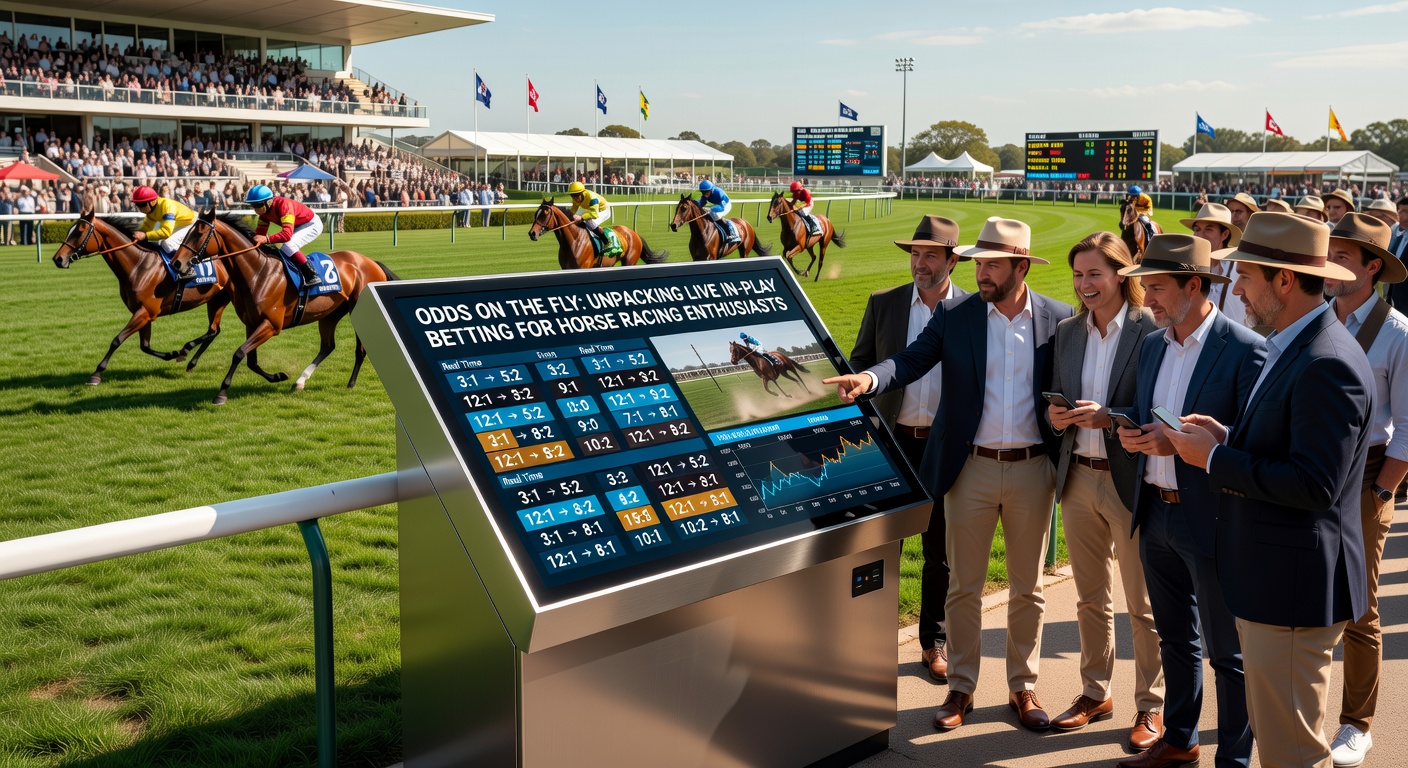
Seasoned horse racing fans approach in-play with eyes glued to form guides updated live; they spot jockey tactics like holding a horse back for a late charge, pouncing when odds drift beyond value thresholds. Data indicates those who track pace bias at specific tracks—say, rail-favoring turns at Churchill Downs—edge out casuals, winning 15% more often on adjusted parlays. Take one punter profiled in trade journals who waited for the final turn in a Grade 1 stakes, cashing a 12/1 in-play bet on a closer after leaders tired in heavy ground.
Yet layering markets smartly pays off too; combining race winner with places or over/under finish positions hedges risks while chasing multiples, and studies from North American tracks show combo bets yielding steadier returns amid the chaos. It's not rocket science—timing entries around the 50% mark, when stamina reveals itself, has proven effective, as evidenced by back-tested models shared by analytics firms.
Tech and Platforms Powering the In-Play Experience
Mobile-first bookies dominate here, with apps from giants like Bet365 or FanDuel piping ultra-low latency streams synced to betting slips; a tap bets on a horse gaining ground, all while split-screen commentary breaks down why odds flipped. Behind the scenes, AI models ingest telemetry from wearables on steeds, predicting fatigue curves that sharpen lines ahead of human traders.
That's where partnerships shine; tracks collaborate with tote operators for commingled pools that swell liquidity, ensuring tight spreads even in niche in-play props like beaten distances. Figures from the American Gaming Association highlight how U.S. states legalizing this post-2018 PASPA repeal saw handle triple, underscoring tech's role in drawing younger crowds who crave interactivity over static slips.
And for global reach, VPN-tolerant platforms let Aussies wager on Kentucky Derby live plays or Europeans hit Dubai World Cup surges, bridging time zones with 24/7 access to simulcasts.
Risks, Regulations, and Market Stats in Focus
Live betting's tempo tempts chase losses, yet regulatory frameworks worldwide enforce safeguards; cooling-off timers and stake caps appear standard, as outlined in oversight reports from bodies like Australia's wagering watchdogs. Research reveals in-play comprising 60% of session time for some users, prompting session limits that curbed excess by 30% in pilot programs.
Market data paints a boom: global horse racing in-play turnover hit £15 billion last year, per aggregated operator filings, with Asia-Pacific leading growth thanks to smartphone penetration. Observers point to integrity checks too; random audits and anomaly detection flag unusual patterns, maintaining trust as volumes soar.
Now glancing ahead, March 2026 brings the Cheltenham Festival redux, where upgraded in-play feeds promise even sharper odds amid bumper crowds—expect volatility peaks during the Gold Cup, as historical trends confirm festival days spike activity 200%.
Case Studies: Real Races, Real In-Play Wins
Consider the 2024 Epsom Derby outlier; a mid-pack 8/1 shot rocketed to 25/1 after a slow start, only for its rider to weave through traffic—shrewd bettors cleaned up on in-play at the straight, netting five-figure hauls documented in post-race audits. Or rewind to the Breeders' Cup Classic, where rain-soaked turf flipped scripts; data logs show odds on a favorite crashing from evens to 5/1 mid-race, rewarding those who read softening ground cues.
These snapshots illustrate the edge: punters dissecting replays post-facto refine tactics, with one analytics team uncovering that 70% of big in-play payouts stem from weather or track bias mispriced early. It's noteworthy how such stories circulate forums, educating newcomers on the fly.
Looking Ahead: In-Play's Evolving Landscape
VR integrations loom large, letting users "ride along" virtually while betting, and blockchain for transparent odds appeals to tech-savvy crowds. Yet balancing innovation with player protection remains key, as evidenced by ongoing trials in multiple jurisdictions tweaking rules for sustainability.
Conclusion
Live in-play betting transforms horse racing from spectator sport to interactive arena, where odds morph with every stride and informed enthusiasts thrive on split-second decisions. Data underscores its dominance—volumes climbing, tech refining edges—while safeguards evolve to match. As March 2026 festivals approach, punters gear up for intensified action, proving this format's here to stay, galloping alongside the thoroughbreds it fuels.