Patterns in Player Actions Driving Bespoke Features Across Sports and Racing Betting Systems
Quinn Simon · Nov 15, 2026
Patterns in Player Actions Driving Bespoke Features Across Sports and Racing Betting Systems
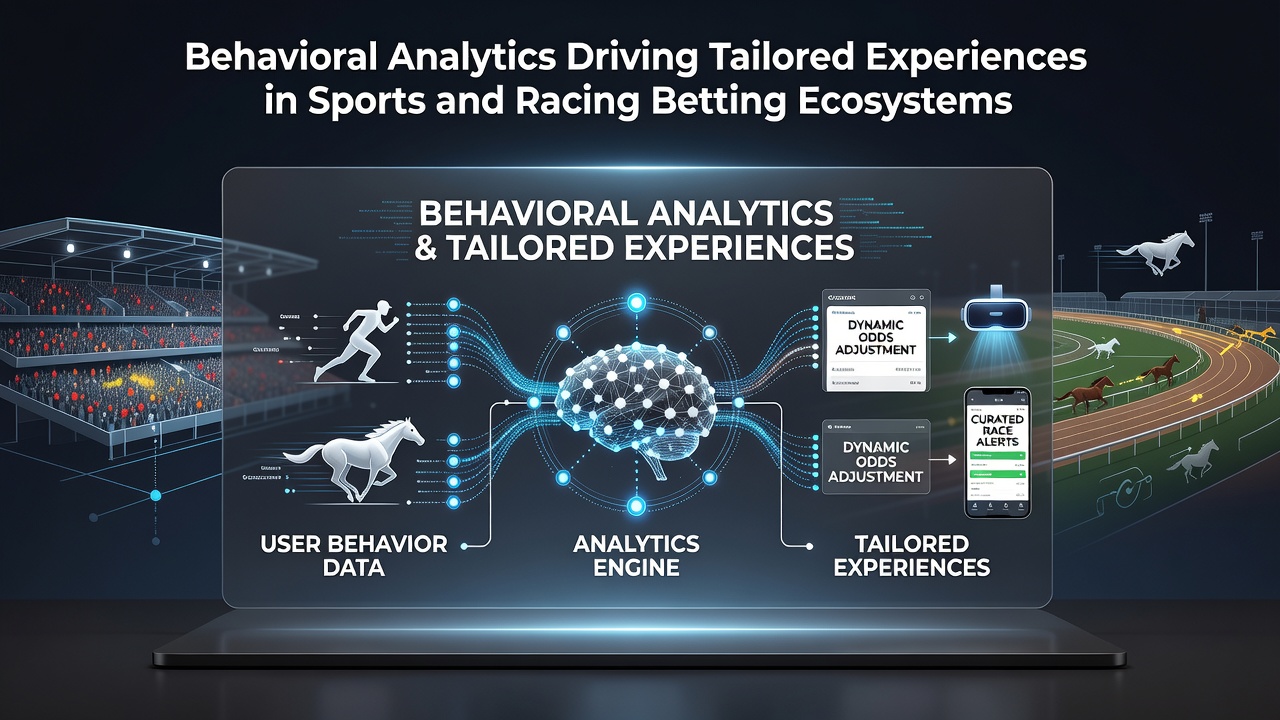
Behavioral analytics now shapes how betting platforms customize interfaces and offerings for users engaged in sports matches and horse racing events, and operators collect vast amounts of interaction data to refine those experiences over time. Systems track bet placement timing, preferred markets, session durations, and response patterns to promotions while algorithms process this information to adjust displays and suggestions in real time.
Researchers at institutions studying digital gambling environments have documented how these tools segment audiences into groups based on observed habits rather than self-reported preferences. One study from the University of Nevada Las Vegas examined transaction logs across multiple operators and found that users who frequently engage with live in-play options receive prompts for similar racing markets during peak evening hours.
Data Collection Methods in Competitive Environments
Platforms gather signals from mobile applications and desktop sites through clicks, scrolls, and dwell times on specific odds boards, and they combine these with historical outcomes to build predictive models. In sports betting sections operators monitor which leagues attract repeated views while horse racing interfaces record selections of exotic bet types such as exactas or trifectas. These streams feed into centralized systems that update user profiles continuously.
November 2026 figures from North American operators showed increased adoption of session-based adjustments after regulatory changes in several jurisdictions allowed greater flexibility in personalization features. Canadian provincial data providers reported similar upticks in segmented content delivery for both football and thoroughbred events during the same period.
Personalization Mechanisms for Sports and Racing Users
Once profiles form, platforms alter homepage layouts to highlight events matching past activity levels, and they modify odds displays to emphasize prop bets for users who previously selected player-specific wagers. Racing enthusiasts who place early morning bets on certain tracks see accelerated loading for those venues while casual viewers encounter broader introductory selections. This approach relies on machine learning models that update weights after each interaction cycle.
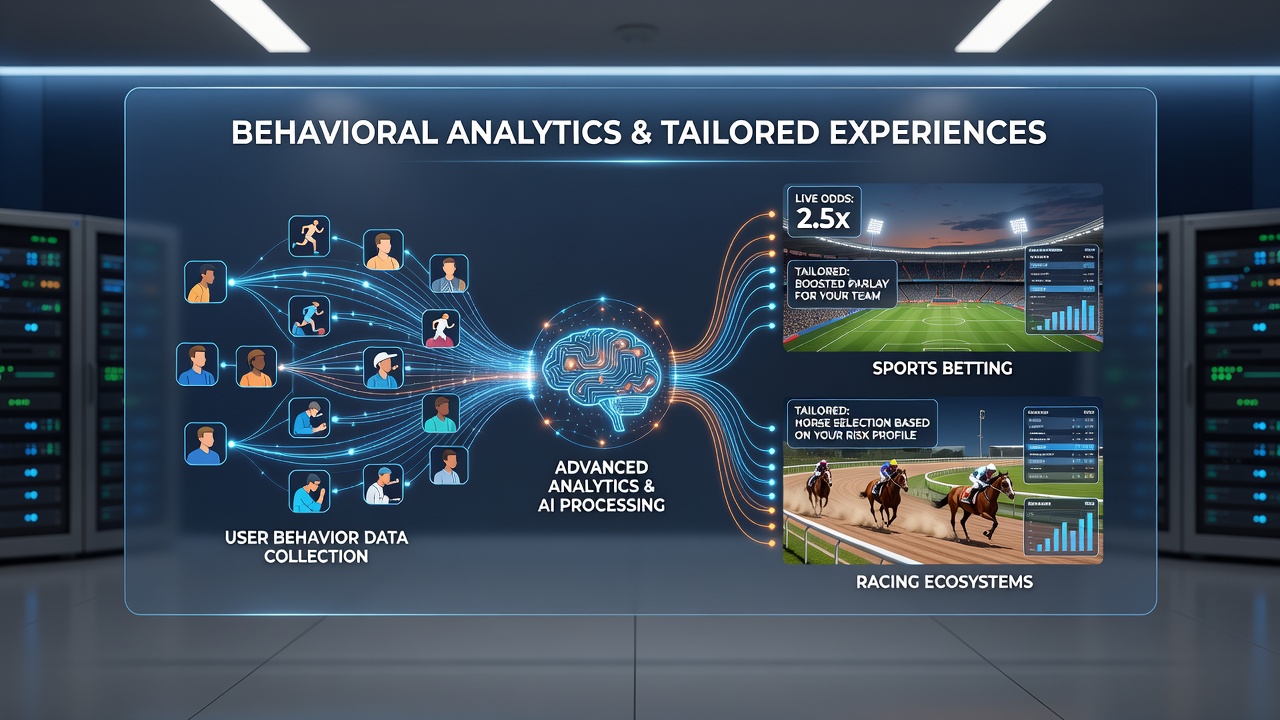
Operators also link behavioral clusters to responsible gaming tools by flagging deviations from established patterns, such as sudden increases in stake sizes, and they route those accounts toward limit-setting options without disrupting core navigation. Industry reports from the American Gaming Association note that such integrations have expanded across multi-state sportsbooks since early 2025.
Integration Across Multiple Event Types
Cross-category analysis allows platforms to suggest football accumulators to users who previously combined horse racing each-way bets with live updates, and the same systems identify users who switch between pre-match and in-play modes across both verticals. Data pipelines merge information from separate product teams so that a single profile influences recommendations regardless of whether the current focus is a Premier League fixture or a Grade 1 chase.
European operators outside the United Kingdom have tested unified dashboards that surface content from partnered racing tracks and league partners based on aggregate engagement scores, and these trials produced measurable lifts in session continuity according to internal metrics shared at industry conferences. Observers note that the technical infrastructure requires robust consent frameworks to remain compliant with varying regional standards.
Technical Infrastructure Supporting Real-Time Adjustments
Cloud-based processing clusters handle incoming event streams from thousands of concurrent sessions while edge computing nodes deliver localized interface changes within milliseconds of detected behavior shifts. Database schemas store anonymized vectors rather than raw identifiers in many implementations, and this design supports scalability as user bases expand into new markets. Vendors specializing in gaming software have released updated application programming interfaces that standardize how operators feed behavioral signals into recommendation engines.
Academic papers published in the Journal of Gambling Studies during 2025 highlighted the role of feature engineering in improving model accuracy for racing versus team sports segments, and they emphasized differences in temporal patterns between weekday and weekend activity. These findings guide ongoing refinements at several major suppliers.
Conclusion
Behavioral analytics continues to expand its influence on how betting ecosystems present options to participants in sports and racing verticals, and the underlying data practices evolve alongside technological and regulatory developments. Platforms that maintain transparent collection methods while delivering relevant adjustments demonstrate measurable retention patterns across diverse user groups. Future iterations will likely incorporate additional signals from wearable devices and augmented viewing experiences as infrastructure matures.