Tracing Bonus Credit Pathways Through Layered Player Props and Racing Exotics on Adaptive Platforms
Kai Simmons · Aug 13, 2026
Tracing Bonus Credit Pathways Through Layered Player Props and Racing Exotics on Adaptive Platforms
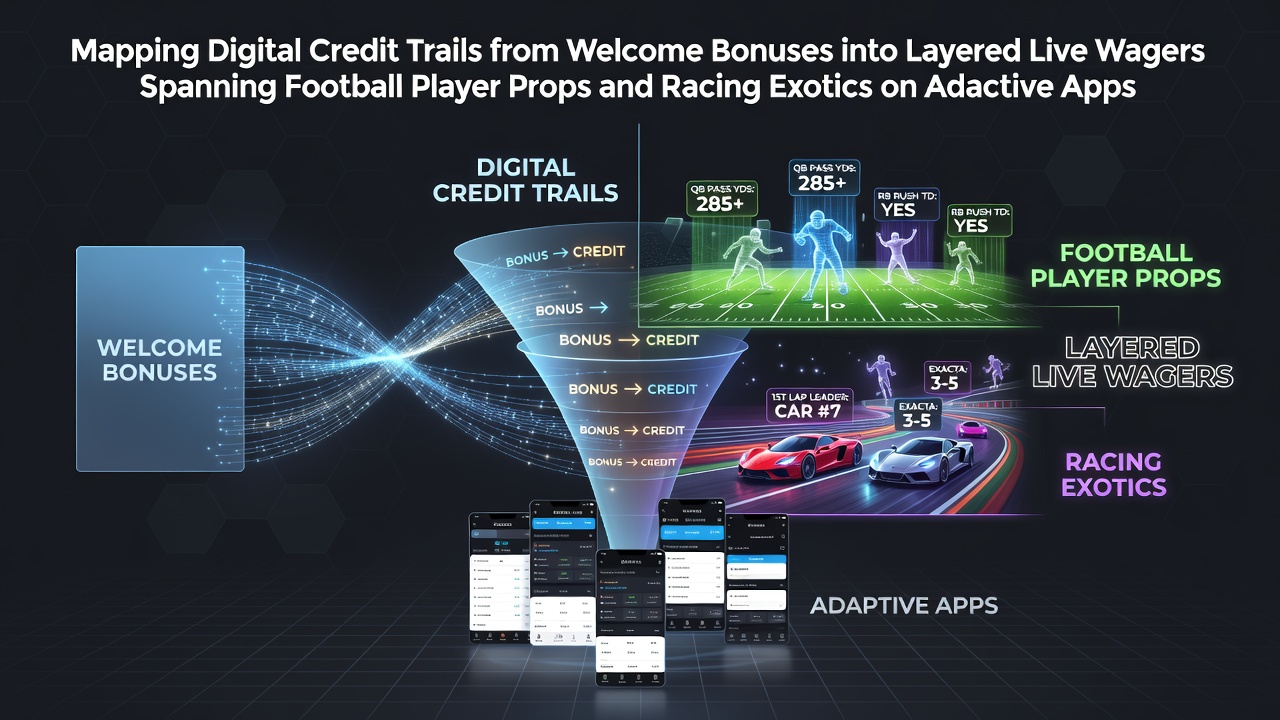
Platforms handle welcome bonuses by converting initial deposits into playable credits that users direct toward specific wager types, and data from industry reports shows these credits often move through multiple stages before reaching live markets. Adaptive apps adjust interfaces based on user behavior, allowing seamless shifts from standard bets into combinations involving football player statistics and horse racing exotics such as trifectas or quinellas.
Initial Credit Allocation and Platform Mechanics
Users receive welcome bonuses upon account verification, after which systems apply wagering requirements that track every credit movement across bet categories. Research from the Responsible Gambling Council in Canada indicates that August 2026 updates to several adaptive apps introduced real-time dashboards displaying how bonus portions convert during live sessions. These dashboards separate credits by origin, showing percentages allocated to football player props like goal scorers or assists alongside racing markets.
Systems enforce rules that prevent direct withdrawal until requirements clear, which means credits flow first into lower-risk options before users layer them into higher-multiplier structures. Observers note that adaptive features resize bet slips automatically when users add props from multiple leagues or combine them with exotic racing selections from different tracks.
Layering Live Wagers Across Football and Racing
Football player props integrate with racing exotics when apps permit simultaneous selections in single or multi-leg formats. Figures from the European Gaming and Betting Association reveal that prop markets on goal timings or card counts often pair with racing combinations during overlapping event windows. Adaptive apps detect these overlaps and suggest bet builders that maintain separate credit ledgers for each component.
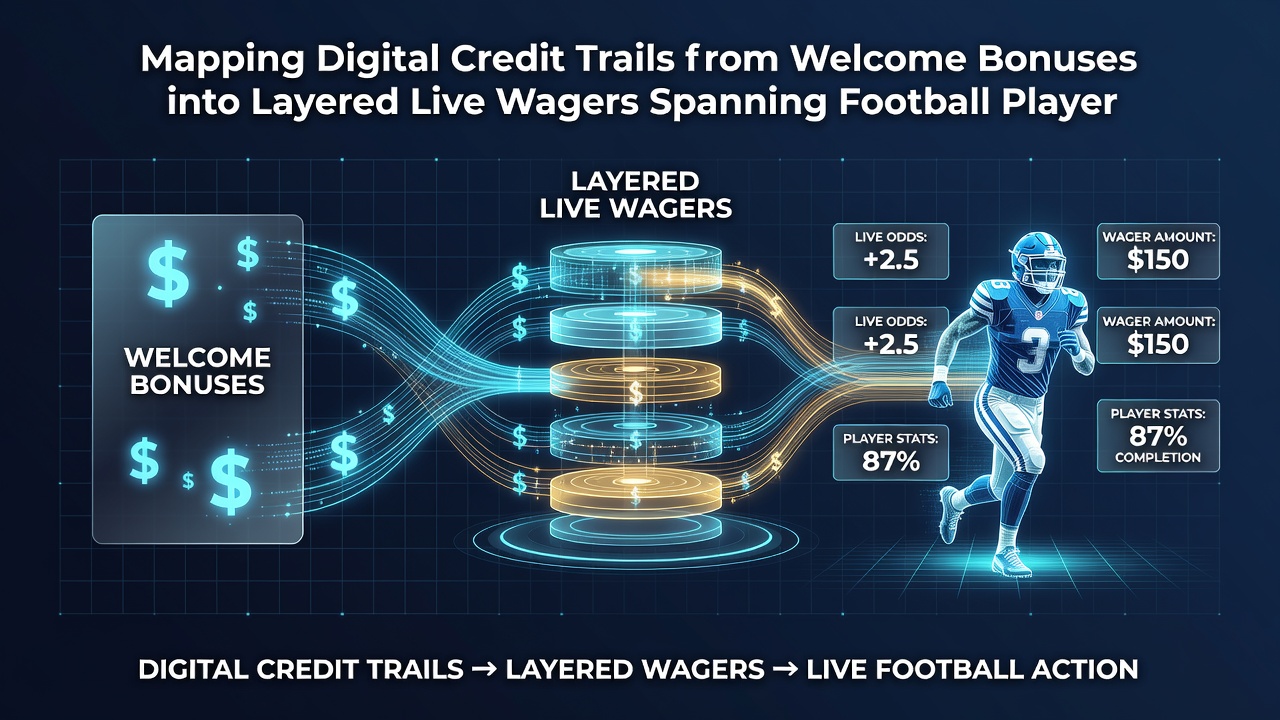
One documented process involves starting with a bonus-funded accumulator on premier league anytime goal scorers then extending the same credits into live racing exotics once football action pauses. This layering keeps original bonus identifiers intact while satisfying playthrough conditions through varied market exposure. Data indicates that mobile interfaces update odds dynamically, allowing adjustments without resetting the credit trail.
Tracking Mechanisms and Compliance Features
Every transaction logs the source credit type, wager category, and current status within the platform database. August 2026 platform releases added exportable reports that list each step from bonus activation through live prop and exotic placements. These reports help users verify completion of requirements without manual calculation.
Apps employ geofencing and session timers that pause credit movement when users switch between football and racing sections, preserving the integrity of the trail. Industry analyses from the Australian Institute of Criminology highlight how such controls align with broader responsible play standards across jurisdictions. Adaptive elements also include color-coded progress bars that change as layered bets settle and release further credit portions.
Market Integration on Adaptive Interfaces
Football props covering player performance metrics combine with racing exotics when users select from curated suggestion panels that appear during live events. Systems maintain separate risk profiles for each market type while merging them into unified settlement views. Reports from university-led studies at the University of Sydney show increased usage of these merged interfaces during periods with concurrent football and racing schedules.
Users navigate between prop builders and exotic selectors through swipe gestures that preserve active credit allocations. Platform logs record every change, ensuring transparency from initial bonus receipt to final payout eligibility. This integration supports complex wager construction without requiring separate accounts or manual transfers.
Conclusion
Mapping these credit flows demonstrates how adaptive apps organize bonus usage across football player props and racing exotics while meeting regulatory tracking standards. Data from multiple sources confirms that layered structures remain accessible through mobile interfaces that update continuously. The process relies on automated logging and dynamic interfaces that handle conversions without disrupting the original credit path.