Unified Loyalty Systems: Synchronizing Rewards from Casino Tables and Live Football Corners via Adaptive Mobile Applications
Quinn Simon · Jul 18, 2026
Unified Loyalty Systems: Synchronizing Rewards from Casino Tables and Live Football Corners via Adaptive Mobile Applications
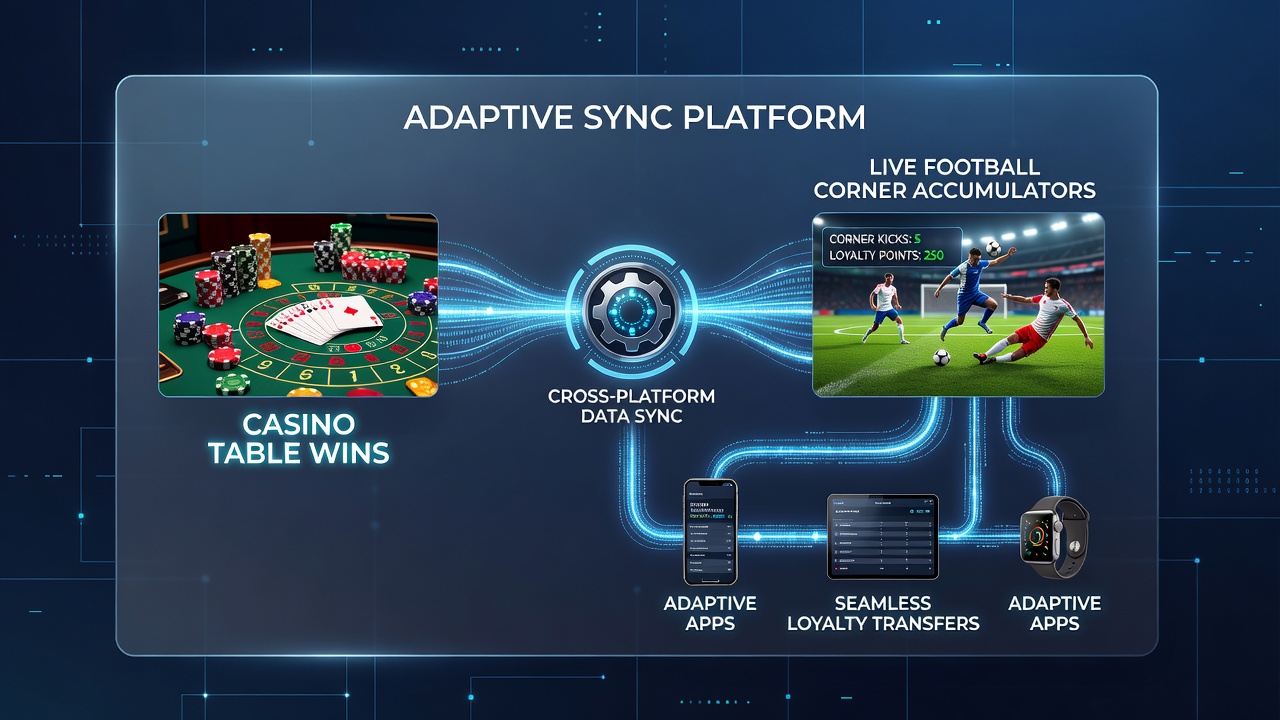
Cross-platform data synchronization has become central to modern gambling applications that connect casino table outcomes with live football betting features such as corner accumulators. These systems allow loyalty points earned from blackjack or roulette sessions to transfer directly into sports betting wallets where users apply them to multi-leg wagers on corner counts during matches. Adaptive apps adjust interfaces across smartphones, tablets and desktops while maintaining consistent data states through encrypted cloud servers that update in real time.
Operators implement application programming interfaces that pull win data from casino floors and push equivalent loyalty values into sports sections of the same platform. When a player accumulates points from table games the synchronization layer converts those values into usable credits for football markets including over-under corner totals or player-specific corner assists. This process relies on standardized data protocols that prevent duplication or loss during transfers between separate game modules.
Technical Mechanisms Behind Seamless Transfers
Developers build these systems around event-driven architectures where each casino win triggers an immediate API call that updates the central loyalty ledger. The same ledger feeds into live sports interfaces so that points appear available for football accumulator construction without manual intervention. Adaptive design elements detect device type and network conditions then optimize data packets to ensure synchronization completes within seconds even on variable mobile connections.
Encryption standards such as TLS 1.3 protect transaction records while machine learning models monitor for irregular patterns that might indicate synchronization errors. In July 2026 several major platforms introduced enhanced reconciliation engines that cross-reference casino and sports data streams every thirty seconds to maintain accuracy across high-volume periods like weekend football fixtures.
Practical Applications in Casino and Football Environments
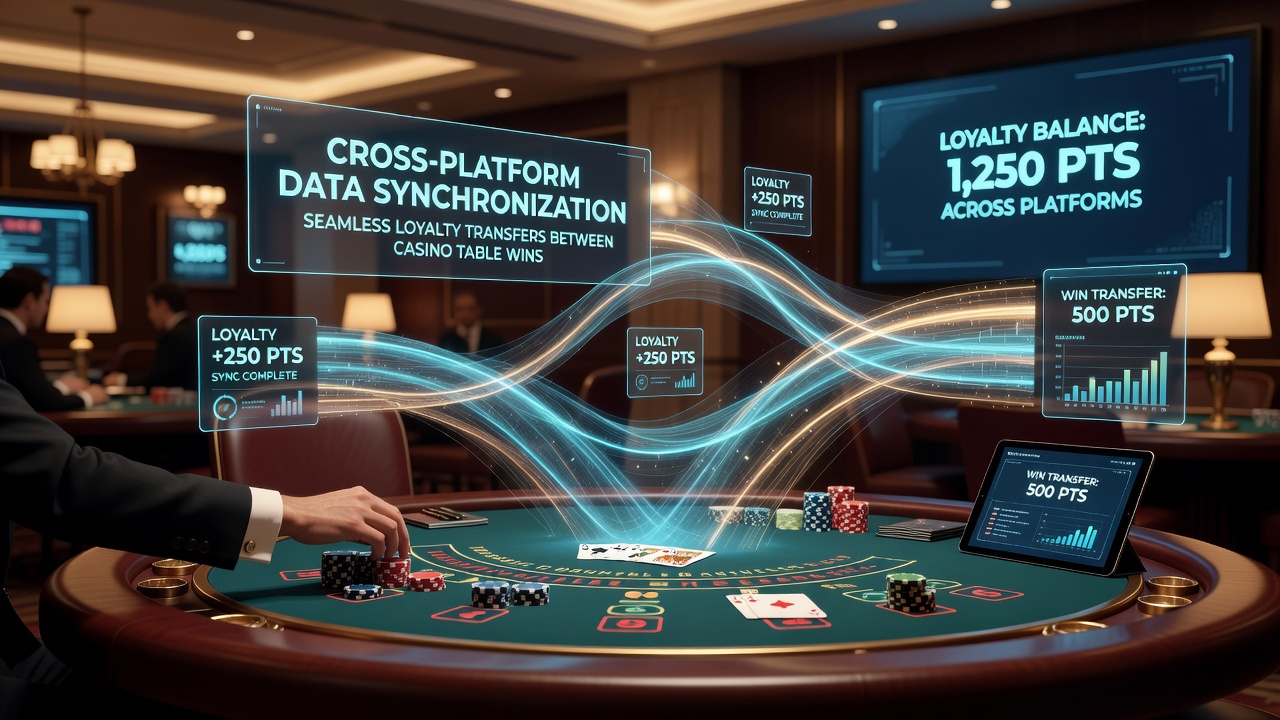
Users who generate points at physical or virtual tables can allocate those balances toward football corner accumulators that combine multiple matches into single wagers. The synchronization ensures that transferred values reflect exact win amounts after house deductions and any applicable bonuses. Adaptive apps display unified balance views so players see total loyalty holdings regardless of whether they navigate to casino or sports sections.
One documented case involves a platform that integrated table game results from European casinos with English Premier League corner statistics. Players completing a successful roulette sequence received points that appeared instantly in the football betting module where they adjusted stake sizes on corner-based accumulators. Data from the Alcohol and Gaming Commission of Ontario indicates that synchronized loyalty programs of this type processed over 2.4 million transfers in the first half of 2026.
Regulatory and Industry Standards Shaping Implementation
Regulatory bodies outside the United Kingdom have issued guidelines on data handling for cross-game loyalty systems. The Alcohol and Gaming Commission of Ontario requires operators to maintain audit trails that record every synchronization event including timestamp, point value and destination market. Similar frameworks from the Australian Communications and Media Authority emphasize player consent mechanisms before loyalty data moves between casino and sports environments.
Industry groups such as the American Gaming Association have published technical recommendations for API security and latency thresholds that adaptive apps must meet. These guidelines encourage the use of containerized microservices that isolate casino and football data processing while allowing controlled information exchange through verified channels. Observers note that platforms adopting these standards report fewer reconciliation discrepancies during peak betting hours.
Future Developments Expected After July 2026
Additional enhancements planned for late 2026 include expanded support for real-time corner statistics feeds that automatically suggest accumulator combinations based on available loyalty balances. Developers are testing blockchain-based verification layers that create immutable records of point transfers without increasing processing times. Adaptive applications will also incorporate wearable device integration so that loyalty updates appear on smartwatches during live matches.
Research from the University of Nevada, Reno gaming technology laboratory shows that synchronized systems reduce player friction by 34 percent compared with separate casino and sports wallets. These findings come from controlled tests conducted through 2025 and early 2026 that measured session duration and transfer success rates across multiple device types.
Conclusion
Cross-platform synchronization continues to link casino table performance with football corner accumulator options through adaptive applications that prioritize data consistency and security. Technical standards, regulatory requirements and ongoing platform updates shape how these transfers operate while maintaining separation between game categories. As synchronization capabilities advance in the months following July 2026, operators and users alike gain access to more integrated loyalty experiences across casino and live sports environments.